In structural kinesiology and high-load resistance training, maintaining the morphological integrity of the lumbar spine under axial loading is the most critical factor for performance and injury prevention. While dynamic muscular contractions provide directional force, skeletal stability relies heavily on a hydraulic mechanism known as Intra-Abdominal Pressure (IAP).
Understanding how the synchronization of the abdominal wall, diaphragm, and pelvic floor generates geometric stiffness to neutralize shear forces is essential for mastering structural safety under heavy loads.
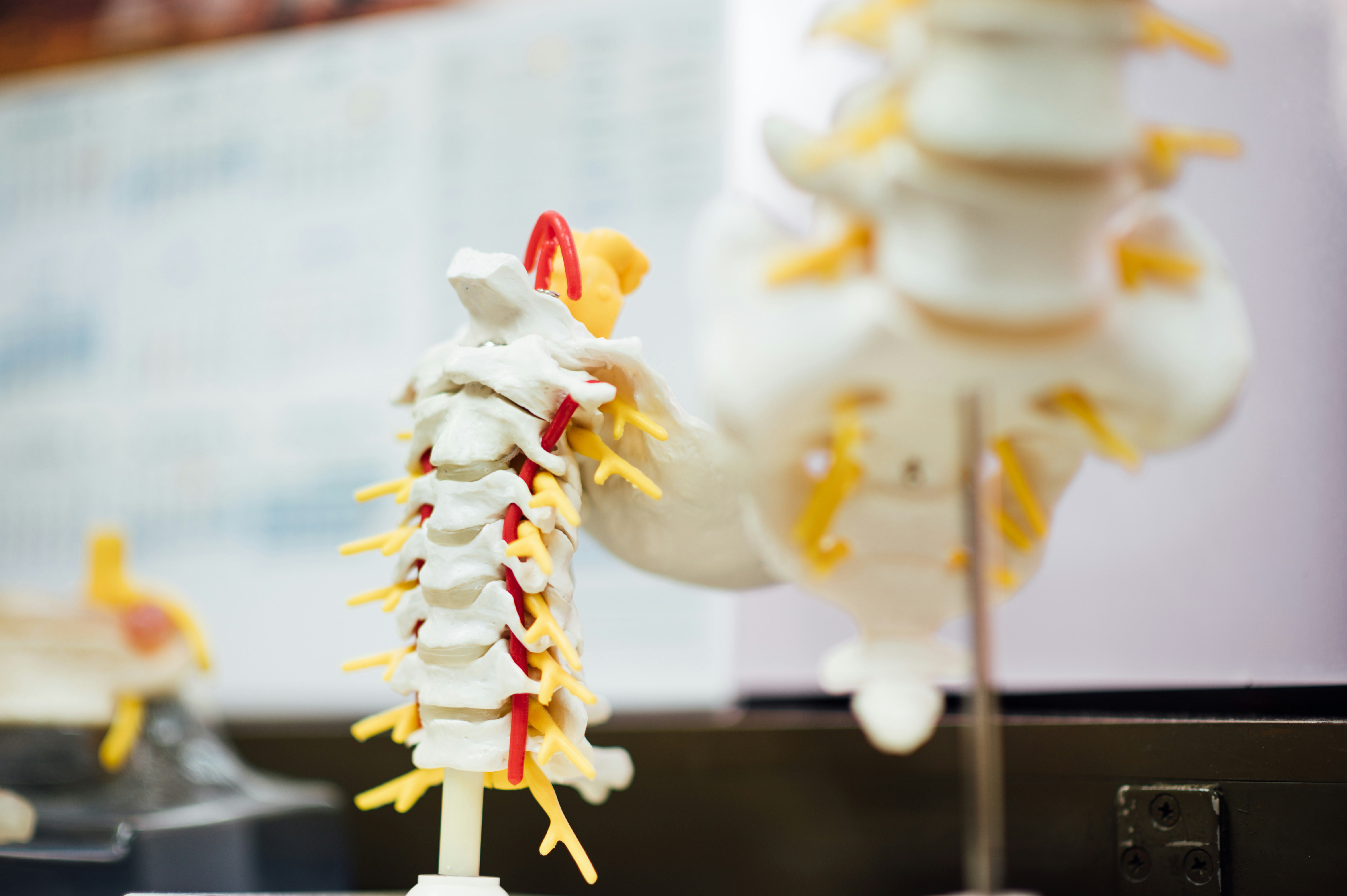
1. The Hydraulic Cylinder Model: Physics of Core Rigidity
To analyze the stabilization effects of IAP, biomechanists frequently utilize the "hydraulic cylinder" model. In this framework, the human torso is conceptualized as a sealed rigid cylinder capable of fluid and gaseous pressure containment. The structural boundaries of this cylinder are defined by:
- The Superior Boundary: The respiratory diaphragm.
- The Inferior Boundary: The muscular network of the pelvic floor.
- The Circumferential Wall: The transverse abdominis, internal and external obliques, and rectus abdominis.
When these opposing muscle groups contract simultaneously—a phenomenon termed neuromuscular co-activation—the volume within the peritoneal cavity is compressed. According to Pascal's Principle, any pressure applied to an enclosed fluid is transmitted undiminished throughout the fluid in all directions.
Consequently, the localized increase in gaseous and fluid pressure exerts an outward force against the interior walls of the cylinder, creating a state of high structural rigidity that fundamentally enhances the load-bearing capacity of the entire trunk.
2. Neutralizing Shear Force: Mechanical Advantage via IAP
During heavy axial movements such as the barbell back squat or conventional deadlift, the lumbar spine is subjected to extreme compressive forces and, more dangerously, severe anterior shear forces. Left unchecked, these shear forces can cause micro-displacements of the intervertebral discs, leading to catastrophic tissue failure or herniation.
Intra-bdominal pressure mitigates this risk by acting as an anterior mechanical strut. When IAP increases, it generates an expansive vector force that acts forward against the abdominal wall and backward against the ventral aspect of the lumbar vertebral bodies.
This internal hydrostatic pressure generates an extensor moment across the lumbar spine, effectively decreasing the demands placed on the erector spinae muscles. By sharing the load with this internal hydraulic column, the net compressive and shear forces acting directly on the L1-5 vertebrae are structurally minimized, preserving the physiological alignment of the spinal curve under supramaximal intensity.
3. Diaphragmatic Co-activation and the Valsalva Maneuver
The generation of optimal IAP requires a specific respiratory technique known as the Valsalva Maneuver. This technique involves executing a forced expiratory effort against a closed glottis following a deep diaphragmatic inhalation.
From a neurological perspective, this sequence forces the diaphragm to descend downward into the abdominal cavity while simultaneously contracting the transverse abdominis and oblique complexes inward.
This dual-axis compression rapidly elevates internal pressure before the external load forces spine deformation. Rather than acting purely as a respiratory pump, the descended diaphragm acts as a solid mechanical anchor, structurally locking the upper thoracic block to the lower pelvic base and completely eliminating translational micro-movements within the lumbar spinal segment.
Conclusion: Engineering an Unbreakable Kinematic Chain
Ultimately, intra-abdominal pressure is not merely an involuntary physiological response; it is a highly structural, trainable biomechanical strategy. By mastering the internal hydraulics of the abdominal cylinder, generating severe structural stiffness, and utilizing strategic diaphragmatic co-activation via the Valsalva maneuver, athletes can successfully redirect destructive shear loads away from vulnerable passive tissues and distribute them evenly across an unbreakable kinetic chain. Elevating intra-abdominal pressure is the ultimate biomechanical insurance policy for maximizing human power generation safely.

